
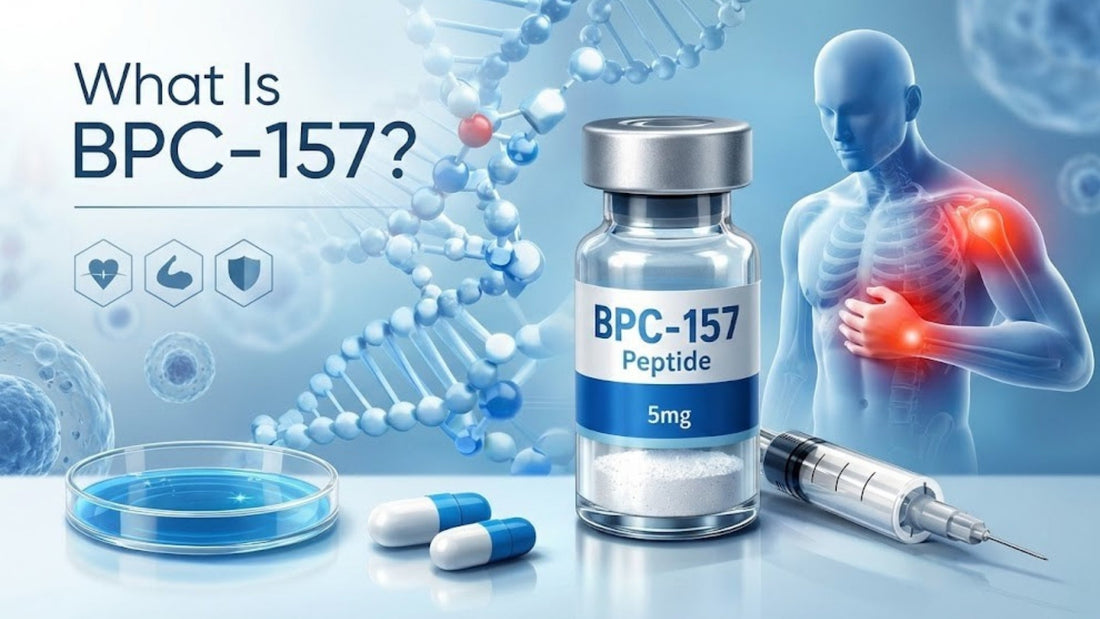
In recent years Bepecin short for Body Protection Compound 157 has gone from an obscure research peptide to a buzzword on podcasts and in gym locker rooms. Influencers claim it can accelerate healing, rebuild joints and even improve cognitive function. As a nutritional supplement retailer based in the United States, we want our community to have clear, evidence‑based information before considering any product. This article examines what Bepecin is, how it supposedly works, the current scientific evidence, regulatory status, safety concerns and alternative ways to support recovery. Throughout we link to relevant products and resources from our Nutritional Supplement Shop to help you find safer, legal options.
What Is Bepecin?
Bepecin is a synthetic 15‑amino‑acid peptide derived from a longer protein found in gastric juice. Government researchers describe it as a laboratory‑made compound that is often marketed to protect organs or speed the healing of skin, tendon, muscle and bone. Because Bepecin is synthetic, its quality depends on the laboratory that makes it and it does not occur naturally in supplements or foods. The peptide has various names (e.g., “Body Protection Compound,” “PL14736,” “Bepecin”).
Mechanisms Proposed in Pre‑Clinical Studies
Animal studies suggest Bepecin may stimulate several biological processes:
-
Angiogenesis and Growth Factors: Researchers have shown Bepecin can increase angiogenesis (formation of new blood vessels) and enhance fibroblast activity, potentially through up‑regulation of growth factors such as vascular endothelial growth factor (VEGF). These effects could theoretically speed tissue repair.
-
Nitric Oxide and Blood Flow: The peptide interacts with the nitric oxide system and may improve blood flow and muscle repair.
-
Cell Signalling Pathways: Laboratory work indicates Bepecin activates signalling pathways such as FAK-paxillin, JAK‑2 and EGR‑1/ERK1/2 to promote cell migration and survival. However, the same pathways that encourage healing can also support tumour growth; scientists warn that boosting FAK paxillin and VEGFR2 might theoretically promote cancer metastasis.
Because these findings come from rodent or cell studies, they do not establish human efficacy or safety. In vitro and animal data are valuable for hypothesis generation but cannot predict how a peptide will behave in the complex human body.
Popular Nickname: the “Wolverine” Peptide
On social media, Bepecin is sometimes called the “Wolverine peptide” because of its supposed regenerative properties. Influential figures like Andrew Huberman and Joe Rogan have shared personal anecdotes about rapid healing. The Piazza Center, a clinic that sells Bepecin tablets, lists benefits such as accelerated healing, reduced pain, increased muscle strength, improved cognition and a stronger immune system. These marketing claims are not backed by high‑quality human data; they mostly echo animal research and personal testimonials.
What Does the Research Say?
Despite dozens of animal studies, human data on Bepecin are sparse. A sports medicine review notes there are no randomized clinical trials in humans. The limited human evidence consists of:
-
Small Case Series: A retrospective report of 12 patients who received intra‑articular Bepecin injections for knee pain found 11 reported improvement, but there was no control group or standardized outcome measures. Physicians who administered the peptide collected data via telephone follow‑up, so placebo effects or natural healing could explain the results.
-
Pilot Trials: A 2024 pilot study injected 10 mg Bepecin into the bladders of 12 women with interstitial cystitis; all reported symptom improvement but the trial lacked a placebo and was conducted at a private clinic. Earlier European trials for ulcerative colitis were never fully published and come primarily from researchers promoting the peptide.
-
Cancelled or Unpublished Trials: A phase I trial with 42 volunteers began in 2015 but the results were never published, raising concerns about undisclosed safety issues.
Systematic reviews therefore conclude that Bepecin’s efficacy and safety in humans remain unproven. Without well‑designed, controlled trials it is impossible to determine appropriate dosing, benefits or long‑term risks.
Regulatory Status and Legality
Because Bepecin is a non‑approved drug, it cannot be legally marketed as a dietary supplement or medication in the United States. Operation Supplement Safety (OPSS) warns that Bepecin is not a dietary ingredient and is banned under class S0 on the World Anti‑Doping Agency (WADA) list. The Food and Drug Administration (FDA) does not list Bepecin in its approved drugs database, and the agency has cautioned against compounded drugs containing Bepecin due to unknown safety and contamination risks.
Several sports organizations including WADA, the NCAA and professional leagues prohibit athletes from using Bepecin. USADA notes there is no legal basis to sell Bepecin as a drug, food or supplement and that safe dosages are unknown. These bans stem from the lack of safety data and the possibility of unfair performance enhancement.
Potential Risks
Because Bepecin influences multiple growth pathways, researchers caution that it could have unintended consequences:
-
Cancer Risk: By activating FAK‑paxillin signalling and promoting angiogenesis, Bepecin might theoretically help dormant cancer cells survive or spread. No human cases of Bepecin‑induced cancer have been reported, but the possibility underscores the need for caution.
-
Unregulated Quality: Many websites sell Bepecin as a “research chemical” with labels like not for human consumption. Without regulatory oversight, purity and dosage can vary widely. Some peptides may be contaminated with solvents or fillers.
-
Unknown Side Effects: Even supporters acknowledge there have been no long‑term safety studies. Potential side effects could include allergic reactions or hormonal disruptions.
Given these uncertainties, many clinicians and sports medicine professionals recommend against using Bepecin outside of controlled clinical trials. We echo this caution and encourage customers to consult healthcare providers before considering any experimental peptide.
Why Do People Take Bepecin? Marketing vs. Evidence
Promoters claim Bepecin can do everything from healing torn ligaments to boosting muscle strength and cognition. The Pro Sports Medicine clinic notes that animal studies have shown accelerated wound healing, reduced inflammation and enhanced tendon repair; however, they emphasize that human studies are scarce. Sports physiotherapists caution that anecdotal benefits could reflect placebo effects or natural recovery.
The reality is that most “success stories” are testimonials. Sites selling Bepecin often publish glowing reviews from patients who purchased their products. Such stories are not controlled experiments and cannot establish cause and effect. When independent researchers examine the literature, they find that existing human data are small, uncontrolled and often authored by clinics with financial interests. Without objective trials, there is no reliable evidence that Bepecin accelerates healing in people or enhances athletic performance.
Our Position at Nutritional Supplement Shop
As a U.S.‑based retailer, we are committed to transparency and compliance. We do not sell Bepecin for human consumption. Our Bepecin capsules are clearly labeled for laboratory research only and are not intended to diagnose, treat or prevent any disease. We encourage customers to respect regulatory guidance and consult a physician before considering experimental peptides.
If you are looking for ways to support recovery and performance, we offer many legal supplements that can fit into an evidence‑based fitness plan. For example, our pre‑workout collection includes products formulated to enhance energy and focus during training. Within that category you’ll find options ranging from the high‑stim Renegade Labs Machine and AdreNOlyn Underground to the balanced Global Supremacy Firestorm. We also carry non‑stimulant formulas like Amp3d® pre‑workout and Hybrid Heat for individuals who prefer milder energy boosts.
For customers interested in peptides, we recommend exploring our Peptides collection and learning about other science‑supported peptides. Our KPV peptide guide explains how the KPV tripeptide may help modulate inflammation and gut health. Products such as the VitaPep KPV peptide solution offer research‑grade KPV and are also clearly designated for laboratory use. Customers interested in muscle building might consider plant‑derived adaptogens like laxogenin, which is legal and does not fall under WADA’s banned list.
Because our shop caters to serious athletes, we also provide accessories and tools to optimize training. Our adult‑use policy clarifies that many products are potent and intended for experienced users. For precise dosing of research peptides we offer a peptide calculator. Additionally, training aids like wrist wraps, belts and other accessories in our weight‑lifting section help you train safely and effectively.
Evidence‑Based Alternatives for Recovery and Joint Health
If you’re seeking to support healing and reduce joint pain without resorting to experimental peptides, consider these proven strategies:
-
Balanced Nutrition and Supplementation: Diets rich in omega‑3 fatty acids, antioxidants and quality protein help support connective tissue repair. Evidence‑backed supplements such as creatine and collagen peptides are widely studied and legal. Our pre‑workouts and muscle‑building supplements can complement these needs.
-
Gradual Progressive Training: Progressive overload, adequate rest and proper technique are the cornerstones of musculoskeletal health. Tools like lifting belts and wrist wraps reduce strain during heavy lifts.
-
Physical Therapy and Mobility Work: Evidence supports physiotherapy, stretching, and targeted strengthening for tendon and joint issues. A physiotherapist can guide you through appropriate exercises.
-
Medical Interventions When Appropriate: Injections of hyaluronic acid, platelet‑rich plasma (PRP) and other orthobiologic therapies have more robust clinical support for joint pain. Discuss these options with a sports medicine professional.
- Other Peptides with Emerging Data: KPV, thymosin beta‑4 and other peptides are being studied for inflammation and repair. Always verify regulatory status and consult a healthcare provider.
Conclusion
Bepecin has generated enormous hype thanks to animal studies and celebrity endorsements. Yet the current human evidence is insufficient to justify its use for healing or performance enhancement. Regulatory bodies classify Bepecin as an unapproved drug, and safety risks particularly potential cancer promotion remain theoretical but concerning. Until high‑quality clinical trials demonstrate clear benefits and safety, the best path is to follow evidence‑based strategies for recovery and to rely on legal, regulated supplements. At Nutritional Supplement Shop, we’re committed to supplying high‑quality products, providing honest education and helping you make informed decisions about your health.
Frequently Asked Questions.
Everything you need to know about this topic.
Bepecin is a synthetic peptide made of 15 amino acids, originally derived from a larger protein found in gastric juice. It is commonly marketed for research related to tissue repair and recovery.
Bepecin is short for Body Protection Compound 157. You may also see it referenced by other research names, depending on the supplier or publication.
Preclinical research suggests it may influence processes related to blood vessel formation, blood flow signaling, and cellular repair pathways. These findings are mainly from animal and lab studies, so they do not confirm the same effects in humans.
Human evidence is limited and not strong enough to prove clear benefits. Reports include small uncontrolled studies and case observations, which cannot reliably separate true effects from placebo or natural healing.
No, Bepecin is not an FDA approved drug for therapeutic use, and it is not a lawful dietary supplement ingredient. FDA has also flagged compounded drugs containing Bepecin as potentially presenting safety risks for certain uses.
Bepecin is prohibited under the World Anti Doping Agency Prohibited List category for unapproved substances. Athletes subject to drug testing should avoid it and verify any substance with sport rules and medical staff.
Key concerns include unknown long term safety, uncertain dosing, and product quality issues like mislabeling or contamination. Because it may affect growth and repair pathways, experts also raise theoretical concerns about unintended effects that have not been adequately studied in humans.
It is a nickname popularized on social media due to claims of unusually fast recovery and regeneration. The nickname is marketing driven and is not proof of clinically proven results.
No. Products labeled as Bepecin on our site are designated for laboratory research only and are not intended to diagnose, treat, cure, or prevent any disease.
Common evidence based options include adequate protein intake, sleep, progressive training with proper technique, mobility work, and clinically supported supplements like creatine or collagen peptides. For persistent pain or injury, a qualified clinician or physical therapist can help you choose proven treatment options.