
Protein is the building block for muscle, tissue repair, and hormonal signalling. Whether you’re a competitive athlete, weekend warrior, or simply trying to improve wellness, getting enough protein is essential. The Recommended Dietary Allowance for adults is about 0.8 g per kilogram of body weight, but people performing regular strength training may benefit from 1-1.5 g per kilogram. High‑protein whole foods like chicken, fish, beans, and nuts supply important micronutrients such as B vitamins, iron, and omega‑3 fats, so dietary protein should come from food first and supplements second. Protein powders offer 15-30 g of protein per scoop and are a convenient way to fill gaps in your diet.
At Nutritional Supplement Shop, we curate premium protein powders and evidence‑based nutrition information for our U.S. community. This guide explains how protein powders work, reviews the major types, and shows you how to choose the best powder for your goals. Throughout the article, we link to recommended products and related reading on our site to help you shop smarter.
Why Use Protein Powder?
Muscle mass naturally declines with age, a process known as sarcopenia. Adequate protein supports muscle maintenance and recovery. Research shows that protein powders help you meet daily protein targets and can be especially helpful when combined with strength training.
A 2026 network meta‑analysis compared 13 protein supplements. The researchers found that collagen and whey were the only protein supplements that significantly enhanced muscle strength and fat‑free mass; collagen had a superior effect, while whey still showed benefits. This underscores two points:
- Protein supplements complement a resistance‑training program; they are not magic by themselves.
- Animal‑derived proteins with complete amino acid profiles, such as whey, tend to perform better than incomplete sources.
Protein powders can be useful for several reasons:
- Convenience: A scoop can deliver 20-30 g of protein with minimal prep, handy for busy mornings or post‑workout periods.
- Calorie control: Blending powder with water or unsweetened milk gives a filling snack with fewer calories than many whole‑food meals. This can aid weight management when used appropriately.
- Digestibility: Powders offer highly digestible proteins and may be easier on the stomach than heavy meals after intense exercise.
Although protein powders are helpful, our dietitians remind customers that powders should make up no more than about one‑third of your daily protein intake. Getting the rest from whole foods provides additional micronutrients and fiber.
Understanding the Different Types of Protein Powder
1. Whey Protein
Whey is the liquid portion of milk separated during cheese making. It contains all nine essential amino acids and is rapidly digested. According to Cleveland Clinic dietitians, whey isolates and concentrates are ideal after workouts because they deliver essential amino acids quickly to support muscle repair. Whey protein may also boost energy and reduce stress.
- Concentrate vs. Isolate: Concentrate has a mix of protein, lactose and fats. Isolate undergoes additional filtration to remove most lactose and fat, providing >90 % protein. For those seeking pure protein with minimal carbohydrates, isolate powders like Optimum Nutrition Gold Standard 100 % Whey 5 lb can be a great choice.
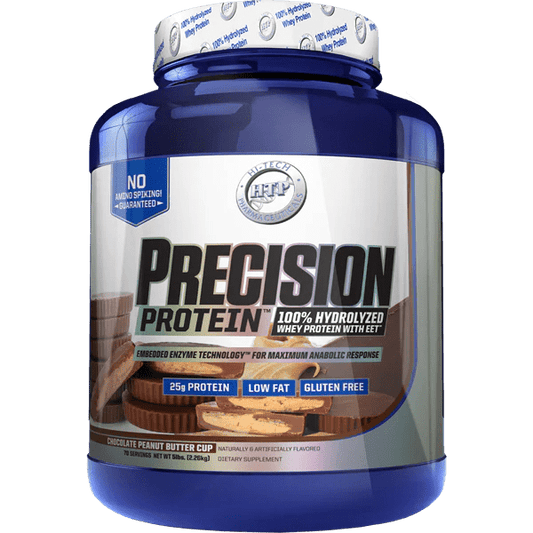
- Hydrolyzed whey: Pre‑digested into smaller peptides for rapid absorption. If you need faster digestion and enhanced recovery, consider our Hi Tech Pharmaceuticals Precision Protein 5 lb, which supplies hydrolyzed whey designed for advanced athletes.
2. Casein Protein
Casein is the other milk protein. It is digested slowly, releasing amino acids over several hours. This makes casein ideal before bed or between meals when prolonged amino acid delivery is desired. Though not highlighted in the network meta‑analysis, casein remains a staple for muscle maintenance during overnight fasting.
3. Plant‑Based Proteins
Plant proteins can provide a complete amino acid profile when combined correctly. The Harvard article notes that pea, soy and hempseed powders contain all nine essential amino acids. Cleveland Clinic dietitians describe common plant options:
- Soy: Contains all essential amino acids, reduces cholesterol and may ease menopausal symptoms. Soy‑based powders suit vegetarians and provide a creamy texture.
- Pea: Highly digestible, hypo‑allergenic and economical. Pea protein pairs well with rice or seed proteins to improve amino acid balance.
- Brown rice: 100 % plant‑based and gluten‑free, suitable for vegetarians.
- Hemp: Rich in omega‑3 fatty acids. Hemp protein has an earthy taste and is often combined with other plant proteins.
We carry several plant‑based options within our Protein collection, including multi‑source powders that blend pea, rice, and hemp to deliver a balanced amino acid profile. For example, Black Magic Multi Source Protein 2 lb combines whey, casein, and egg proteins with digestive enzymes for sustained release, making it versatile for all‑day use.
4. Egg Protein and Milk Protein
Egg protein is absorbed more slowly than whey, making it useful throughout the day. Milk proteins (a blend of casein and whey) support immune function and enhance muscle growth.
5. Collagen Protein
Collagen powders derive from connective tissues of animals and have become popular for joint and skin health. The network meta‑analysis concluded that collagen supplements had the largest effect on strength and fat‑free mass when combined with resistance training. Collagen lacks some essential amino acids, so it’s best used alongside a complete protein source.
Matching Protein Powder to Your Goals
Because individual needs differ, the Cleveland Clinic offers practical guidelines for choosing a powder.
|
Goal |
Recommended protein powder |
Notes |
|
Build muscle |
Whey or whey isolates |
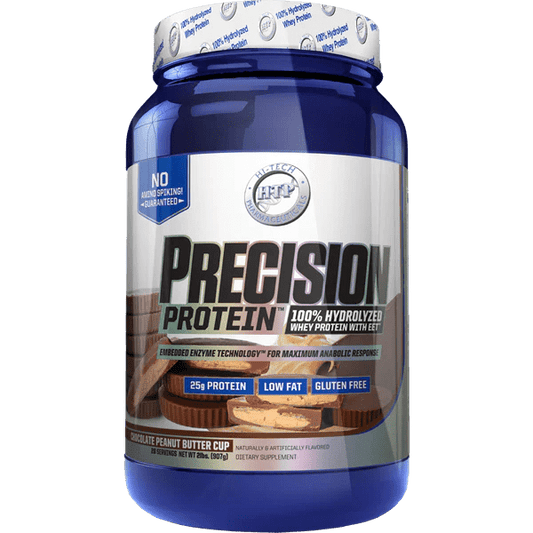
High biological value and rapid absorption support muscle protein synthesis. Consider our Hi‑Tech Precision Protein Powder 2 lb for a concentrated dose. |
|
Weight loss |
Powders without added sugars or dextrins |
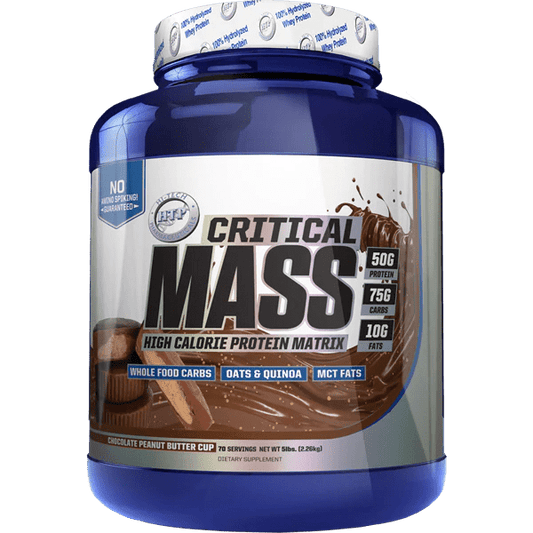
Look for products with minimal carbs and fats. Our Critical Mass Protein Powder 5 LB doubles as a meal replacement but should be portioned carefully to manage calories. |
|
Vegetarian or vegan |
100 % plant proteins (soy, pea, hemp) |
Avoid milk‑based powders. Multi‑source blends provide a complete amino acid profile. |
|
Diabetes or low‑sugar diets |
Powders without added sugar and with 5-15 g of carbohydrates per serving |
Check labels. Our VMI Sports Protolyte 100 % Whey Isolate 1.68 lb offers 23 g of protein with minimal carbs and an electrolyte blend for hydration. |
|
Kidney disease or low‑protein diets |
Powders with 10-15 g of protein per serving |
Consult a healthcare professional before using supplements. |
|
Sensitive stomachs |
Lactose‑free, gluten‑free powders without artificial sweeteners |
Our VMI Sports Protolyte 100 % Whey Isolate 4.6 lb uses an enzyme blend to aid digestion. |
|
Budget‑friendly |
Buy bulk tubs rather than ready‑to‑drink shakes |
Larger containers reduce cost per serving. |
When and How to Use Protein Powder?
Timing and preparation affect how effectively your body uses protein. For maximum muscle recovery, the American College of Sports Medicine recommends consuming 15-25 g of protein within one hour after vigorous exercise. Cleveland Clinic experts similarly note that athletes should consume protein within 60 minutes post‑workout. Drinking a whey or blended protein shake during this window can jump‑start muscle repair.
A protein drink can also serve as a meal or snack replacement if it contains carbohydrates, healthy fats, fiber, vitamins and minerals. Try blending one scoop of powder with dairy or plant milk, fruit, nut butter, yogurt and chia or flaxseed for a complete nutrient profile.
Tips for getting the most out of your shakes:
- Mix with milk or milk alternatives: This creates a creamier texture and improves the taste.
- Add your own flavor enhancers: Fruits and peanut butter can enhance taste and provide extra nutrients.
- Avoid over‑consuming protein at one time: Aim for at least 20 g of protein per meal and spread intake throughout the day to promote satiety.
For more tips on combining protein powders with workouts, see our article Is Jack3d Good for Muscle Growth?, which discusses pre‑workout formulas and the role of protein in training.
Digestive and Dietary Considerations
Some people experience digestive discomfort from protein supplements. Excessive doses or lactose and artificial sweeteners can cause bloating or constipation. Our blog Do Protein Shakes Cause Constipation? 7 Common Reasons explores causes such as inadequate fiber and dehydration. If you’re lactose intolerant, switching to a whey isolate or plant‑based powder may reduce symptoms. For detailed guidance, read Does Whey Protein Have Lactose?.
If you’re curious whether protein contributes to energy levels, check out Does Protein Give You Energy?. While protein isn’t a primary fuel source, adequate intake supports metabolic health and helps maintain energy by stabilizing blood sugar.
For gym‑goers seeking broader lifestyle tips, our Bodybuilding Gyms Near Me article lists local training spots and emphasizes how proper nutrition, including protein supplementation, aids muscle recovery.
Supporting Muscle Growth Beyond Protein Powder
Protein powder is only one part of a comprehensive fitness strategy. Combining it with strength training, adequate rest, hydration and additional nutrients like amino acids and pre‑workout formulas can yield better results. Explore our Amino Acids collection for supplements that support muscle protein synthesis, and browse the Pre‑Workout collection for formulas that enhance energy and focus during training.
Lastly, don’t underestimate the importance of variety. Including different protein sources in your diet ensures a broader spectrum of amino acids and micronutrients. Our collection includes mass gainers like Critical Mass Protein Powder 5 LB for those needing extra calories and Black Magic Multi Source Protein 2 lb for sustained release. If you’re new to supplementation, start with a moderate dose and gradually adjust based on your body’s response.
Key Takeaways
- Focus on whole foods first. Use protein powder to fill gaps, not as the foundation of your diet.
- Whey and collagen are the most evidence‑supported supplements for improving strength and fat‑free mass.
- Match your protein powder to your goal: muscle building, weight management, vegan diet, digestive sensitivity, or budget.
- Consume 15-25 g of protein within one hour after vigorous exercise and spread protein intake across meals.
- Purchase quality powders tested by third parties and watch for added sugars, fillers, and allergens. Explore our Protein collection to view curated options.
Protein powders can empower your training and wellness when chosen wisely and integrated into a balanced diet. We at Nutritional Supplement Shop are committed to providing scientifically backed supplements and education to help you achieve your fitness goals.